







Search Results for: Valle del Cauca
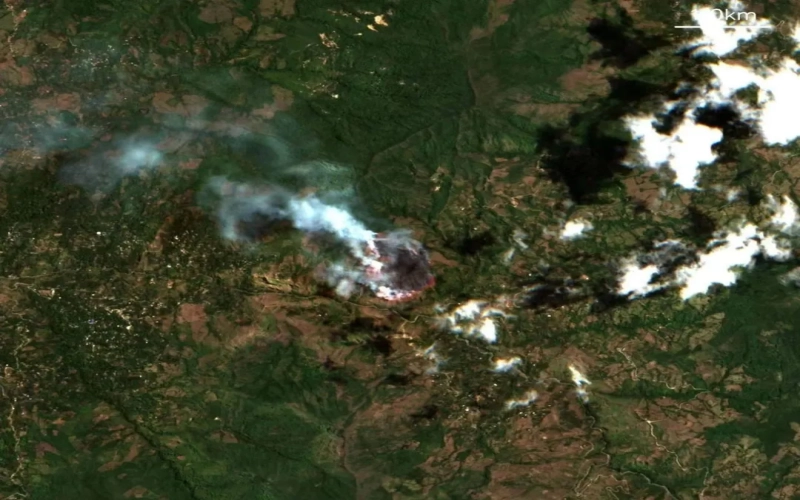
Wildfires Rage in Cauca, Colombia: Coffee and Sugarcane Crops Severely Damaged, Regional Situation Draws Attention
A large-scale forest fire recently broke out in the mountainous area of Bolívar Municipality in Cauca Department, southwestern Colombia, and the fire remains out of control. According to the local mayor, this is the most serious fire the municipality has seen in more than 30 years, with about 2,500 hectares of land destroyed and large amounts of sugarcane and coffee crops damaged, and the fire has already spread to Valle del Cauca Department. Because the ignition area is close to a nature reserve, nearby important water sources may be affected, and due to the complex mountainous terrain, firefighters are finding it difficult to gain access, making firefighting efforts very difficult; aerial support has now been requested. Notably, the Colombian government's ceasefire agreements with several anti-government armed groups have recently been terminated one after another, intensifying armed conflict, and many people suspect this forest fire is related to the conflict. Cauca Department, Valle del Cauca Department, and Norte de Santander Department are all important coffee-producing regions in Colombia. Although the conflict has not yet directly threatened coffee estates and smallholder production, the winter harvest season is approaching in September, and the impact of the mountain fire on output cannot be ignored, and may further drive up already continuously rising coffee purchasing prices. [more…]

Colombia's vice president's motorcade was attacked in Cauca Department, and the violent conflict may spread to the country's core coffee-producing region.
On July 10, the vehicle normally used by Colombian Vice President Francia Márquez was shot at in the southwestern region of Cauca. Fortunately, she was not in the vehicle, and no one was injured in the incident. Nevertheless, the attack once again laid bare the long-standing violent conflict and complex security situation in the departments of Cauca and Valle del Cauca. Of particular concern to the coffee industry is that these two departments are not only important coffee-producing regions in Colombia, with a combined annual output of about 140,000 tonnes, but are also home to well-known estates such as Finca El Paraiso, Finca Inmaculada and Finca La Esperanza, making them destinations for many traders and coffee hunters. If the government escalates military operations and triggers large-scale conflict, both local coffee production and export routes via the port of Buenaventura could be severely affected. Front Street Coffee will continue to monitor the subsequent impact of the incident on Colombia's coffee supply chain. [more…]

Colombian government suspends ceasefire with armed factions, coffee-growing heartlands may face conflict fallout
Colombia's Defense Minister announced at a press conference that the government is terminating the ceasefire agreement signed with some factions of the anti-government armed group "Central General Staff" and has ordered an all-out offensive. Although the government is still maintaining a three-month ceasefire with factions that support peace talks, the conflict mainly affects the departments of Nariño, Cauca, and Valle del Cauca—regions that happen to be important coffee-producing areas in Colombia, home to many well-known estates and the Buenaventura export port. The resumption of fighting could lead to coffee beans being looted, smuggled into neighboring countries, farmers displaced, farms left unmanaged, reduced yields and lower quality, damaged infrastructure, and ultimately affected exports. At a time when global Arabica prices are high, if Colombia, as the second-largest coffee-producing country, sees a decline in production, it could further drive up international coffee prices. Front Street Coffee also continues to monitor the potential impact of developments in producing regions on coffee flavor and supply. [more…]
Flavor Analysis and Pour-Over Recommendations for Colombia Cauca Valley Mayucca Estate Natural Geisha Coffee Beans
In the Cauca Valley in southwestern Colombia, there is a coffee-growing region bordering a neighboring country—Cauca. Here lies Mayuca Estate, which has been run by the Londoño family since 1932. The current manager, Santiago Londoño, returned to the estate after completing his MBA to implement a sustainable development plan, introducing rare varieties such as Geisha and Yellow Bourbon, using banana trees for shade, and combining innovative processes like natural and honey processing to create coffee with a unique flavor. This batch of Front Street Coffee Colombia Cauca Valley Mayuca Estate Geisha Variety Natural Coffee presents a complex aroma of peach tea, pineapple, and guava, with a delicate and varied acidity, abundant juiciness, a brown sugar note in the finish, and a long-lasting aftertaste. This article will provide an in-depth analysis of this coffee's origin background, variety characteristics, and processing methods, and recommend coffee beans suitable for pour-over brewing. [more…]

Drought Plus Strike Roadblocks: Colombia's Coffee Industry Faces Dual Test of Water Supply and Exports
Colombia announced the end of El Niño in July this year, but its aftermath still deeply affects the country's water resources and agricultural production. Water usage for productive capacity at the Gori Las dam, Bogotá's main water source, has continued to decline, dropping from 52% in early August to 38.84% this week, and local drinking water regulators have introduced stricter water-saving and penalty measures. Meanwhile, the government's cancellation of fuel subsidies has triggered nationwide road blockades by truck drivers, obstructing access to major ports such as Valle del Cauca department, directly impacting the coffee logistics chain from producing regions to ports. For the coffee industry, it must contend with both the planting pressure of limited irrigation water and the trade risks of disrupted export transportation. Recalling that national protests in 2021 nearly reduced coffee exports to zero in May of that year, industry insiders worry whether this round of crisis will repeat if the strike continues, warranting sustained attention. [more…]
Colombia Hope Estate Coffee Beans: Full Analysis of Flavor Characteristics and Origin Story
Colombian coffee is renowned worldwide for its soft, mellow flavor, and La Esperanza Estate in the Huila region stands out as a leader among them. This estate, jointly run by several coffee farmers, has repeatedly achieved outstanding results in Colombian coffee competitions and scored high on Coffee Review, thanks to its forest-grown environment at elevations of 1,400 to 1,650 meters and its commitment to hand-picking. This article will take you deep into La Esperanza Estate's regional background, the characteristics of its four sub-estates, its coffee varieties and processing methods, and the strikingly different flavor profiles under light and dark roasting, while also introducing the fascinating story of rare varieties such as Geisha. Front Street Coffee invites you to savor the coffee charm of this top-tier estate. [more…]
An Analysis of Colombian Coffee Region Flavors and a Full Overview of the Features of Hacienda La Esperanza Geisha Coffee Beans
Colombian coffee, as one of the few single-origin coffees renowned worldwide by its country name, owes its elegant flavor—sweet and lightly aromatic, with a pleasant balance of acidity and sweetness—to superior geographical and climatic conditions. This article will guide you through the history of Colombian coffee cultivation and the characteristics of its main producing regions, offering an in-depth analysis of how the microclimates of Cauca, Tolima, and other areas shape the flavors in the cup, with a special focus on the top estate—Hacienda La Esperanza's Geisha coffee beans. From its frequent championship records in auctions to its high scores in Coffee Review, and to product information recommended by Front Street Coffee, this single article will help you fully appreciate the charm of Colombian specialty coffee. [more…]
The Historical Legacy and Flavor Charm of Colombia's Hacienda La Esperanza Specialty Coffee Beans
Hacienda La Esperanza in Colombia is a name of great importance on the South American specialty coffee map. It belongs to the Herrera family and has won honors in multiple international competitions thanks to its exceptional quality. This article reviews the development of Hacienda La Esperanza, the microclimatic characteristics and cultivated varieties of its four farms, and focuses on the Colombian Hacienda La Esperanza single-origin beans selected by Front Street Coffee—from hand sorting and roasting curves to flavor performance, comprehensively presenting the uniqueness of this natural Pacamara, while also discussing the terroir conditions of Colombia's main producing regions, providing coffee lovers with in-depth content that is both informative and valuable for tasting. [more…]
Colombia Cauca Finca El Nube Laurina Natural Low-Caffeine Beans: Flavor Characteristics and Low-Caffeine Processing Explained
For people who are sensitive to caffeine yet cannot live without coffee, there is often a dilemma between "wanting to drink" and "not being able to drink too much"—and decaf coffee was born precisely for this. This article begins with artificial decaffeination methods, introduces the common Swiss Water Process on the market and its principles, then traces the legendary history of the naturally low-caffeine variety Bourbon Pointu—from the rise and fall of Réunion Island to its revival by UCC in Japan, and finally to its establishment at Finca San Roque in Colombia's Cauca Valley. You will discover this bean's complete profile, its flavor performance, and its unique balance between caffeine content and mouthfeel, and you will also learn why Front Street Coffee recommends it as the preferred choice for decaf coffee. [more…]

Colombia's coffee industry is mired in multiple crises: armed conflict, drought, and policy uncertainty intertwined
Colombia, as a major global coffee-producing region, is now facing a double squeeze from internal and external troubles. Domestic armed conflict has escalated again, and the ceasefire agreement between the government and anti-government armed groups has been suspended in some areas; the drought triggered by El Niño has caused reservoir levels to fall dangerously low, restricting agricultural irrigation and power supply; at the same time, coffee producers also have to deal with rising fertilizer prices, shrinking planting areas, exchange rate fluctuations, and competition from other American producing regions. Although international coffee prices have risen somewhat, the income of Colombian coffee growers has fallen instead of increasing, and an industry strike is imminent. Front Street Coffee will continue to follow developments in this producing region and bring the latest information to enthusiasts. [more…]
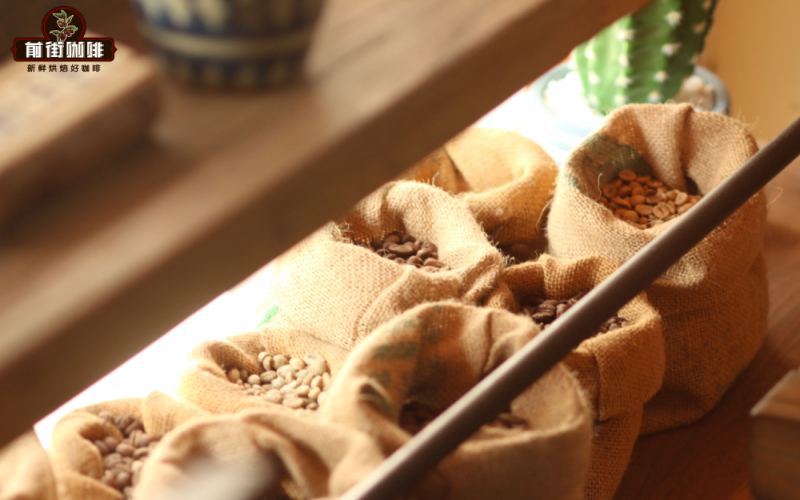
An Analysis of the Flavor Tiers of Colombian Coffee Regions: From Huila Everyday Beans to Finca El Paraiso Cherry Blossom
Colombian coffee has long been known as "green gold," celebrated for its rich, full-bodied flavor reminiscent of dark chocolate. As the specialty coffee wave has advanced, this South American producer has revealed a more diverse profile of fruity acidity and floral aromas. This article systematically examines the terroir differences and flavor characteristics of Colombia's three major producing regions—northern, central, and southern—and focuses on the Huila everyday drinking beans and the Cauca El Paraiso Cherry coffee beans selected by Front Street Coffee. From regional grades to varieties and processing methods, from roasting approaches to brewing parameters, we take you through the diverse charm of Colombian coffee, and how El Paraiso estate owner Diego Samuel transformed his family farm into an award-winning specialty benchmark. [more…]
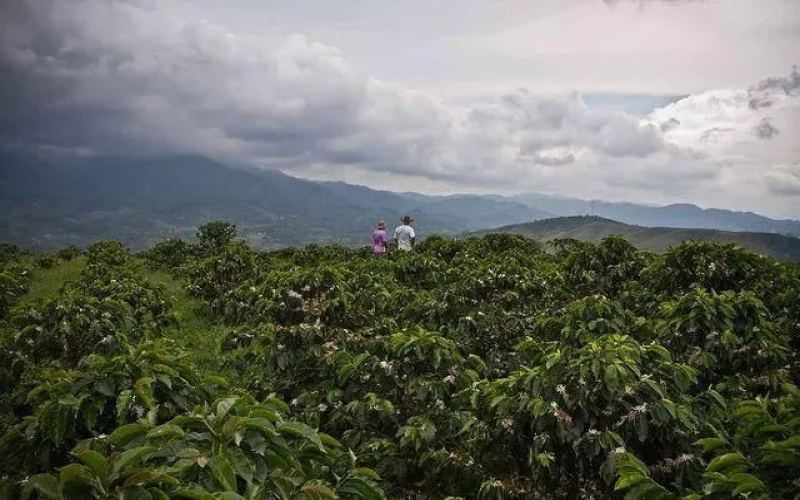
Colombian coffee exports to China gain strong momentum amid production recovery and extreme weather challenges
In recent years, Colombian coffee has performed increasingly well in the Chinese market. According to the country's media, China is expected to become Colombia's sixth-largest coffee export destination by the end of the year, and may even rise to second place in the future. In 2019, China ranked only 18th, but by 2023 it had jumped to sixth, with exports reaching 540,000 bags. At the same time, Colombia's coffee industry is gradually recovering from consecutive production declines, with output in the 2023/24 season expected to grow by 15%, though challenges such as drought, wildfires, and armed conflict remain. This article will review the latest export data, market prospects, and industry conditions, and include relevant recommendations from Front Street Coffee. [more…]
Colombian Coffee Beans: A Comprehensive Analysis of Varieties, Flavors, and Grading Standards—From Caturra to Castillo
Colombian coffee holds a pivotal place in the global specialty coffee landscape, where its favorable terroir—low latitude and high altitude—nurtures coffee beans with rich, layered flavors. From traditional Caturra to the disease-resistant new variety Castillo, Colombia's coffee varieties have undergone decades of evolution. The National Federation of Coffee Growers' strict control over export quality has also given rise to a detailed grading system. Starting from Front Street Coffee's blending experience, this article sorts out the variety lineage, producing regions, and grade determination methods of Colombian coffee, helping coffee enthusiasts gain a more systematic understanding of the unique charm of this major South American coffee country. [more…]
Colombian Supremo Specialty Coffee Bean Analysis: A Complete Guide from Origin and Variety to Brewing Flavor
Colombia ranks third in global coffee production, and its favorable growing environment of low latitude and high altitude produces coffee beans of outstanding quality. Drawing on Front Street Coffee's espresso blending experience, this article sorts out the flavor differences between Brazilian and Colombian coffee, offers an in-depth introduction to the evolution of the Colombian Caturra and Colombian varieties, and explains how Castillo became today's dominant variety. It also details the screen size standards and grading system of the Supremo grade, and includes the three-stage brewing parameters and flavor description for Front Street Cherry Castillo coffee beans, providing coffee lovers with a complete framework for understanding Colombian specialty coffee. [more…]
Colombian Coffee Supremo Grade Flavor Analysis and Brewing Tasting Guide
Colombia ranks third in the world in coffee production, and its low-latitude, high-altitude growing environment creates superior quality. From Caturra to the Colombia variety, and then to the evolution of Castillo, Colombia's coffee industry has continually innovated while fighting diseases such as leaf rust. This article systematically sorts out the variety lineage of Colombian coffee, the distribution of major producing regions, and the classification standards of the Supremo grade, and combines Front Street Coffee's brewing plan to give you an in-depth understanding of the unique charm of this South American specialty coffee—from rose floral aromas to berry jam flavors, from nutty notes to caramel sweetness, all in one go explaining the key points of tasting Colombian coffee. [more…]
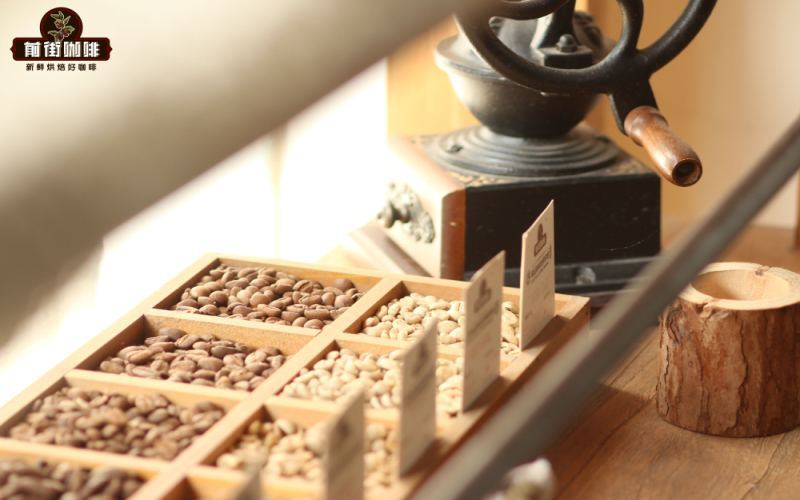
A Complete Guide to Colombian Coffee Regions: From Huila Everyday Beans to Finca El Paraiso Cherry Blossom – Flavors and Pour-Over Tips
Colombia is one of the few single-origin coffee-producing countries that sells worldwide under its national name, and the complex terrain along its Andes Mountains has created a flavor spectrum from north to south, each with its own character. From the perspective of Front Street Coffee's bean selection, this article sorts out the flavor differences among Colombia's three major growing regions—northern, central, and southern—with a focus on the dark chocolate and caramel notes of Huila's everyday drinking beans, and an in-depth analysis of Finca El Paraiso Sakura, a double anaerobic washed bean with its unique spice aroma and strawberry jam finish. At the end, it includes the V60 pour-over parameters and staged pouring steps used by Front Street Coffee baristas, helping enthusiasts reproduce at home this cup of Colombian flavor that combines floral and fruity acidity with a full-bodied mouthfeel. [more…]
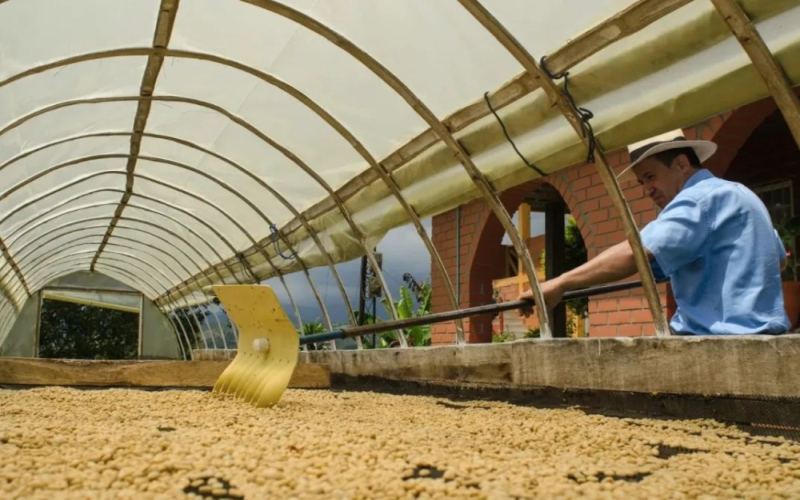
Colombia invests 22 billion pesos to support agriculture, coffee production is expected to exceed 13 million bags, but multiple challenges remain.
Colombia, as the world's third-largest coffee producer, has recently received a series of favorable news: a bank report shows significant growth in agricultural output and announces an investment of 22 billion Colombian pesos to support agricultural development. Meanwhile, the country's coffee production is expected to reach 12.53 million bags in the 2023/24 season, a year-on-year increase of 18%, and is expected to exceed 13 million bags in the 2024/25 season. However, drought, forest fires, rising cultivation costs, internal conflict, and the possible arrival of La Niña still bring many uncertainties to the coffee industry. This article will review the latest developments and potential risks in Colombia's coffee industry. [more…]

Analysis of Flavor Differences Between Colombian and Brazilian Coffee Beans: Growing Regions, Grading Characteristics, and Taste Comparison
Colombia and Brazil are both pillars of the Central and South American coffee-growing regions, yet the two countries differ considerably in their growing conditions, flavor profiles, and market positioning. Colombia, with its dual ocean ports on the Atlantic and Pacific, its three Cordillera mountain ranges creating microclimates, and its high-altitude volcanic ash soils, produces Arabica coffees with bright acidity and refined flavors. Brazil, by contrast, with its flat terrain, lower elevations, and Bourbon varieties as its foundation, offers a balanced cup with notes of nuts and chocolate and a heavy body. This article systematically compares the differences between the coffee beans of the two countries from the perspectives of growing region distribution, cultivation environment, varieties and processing, and cupping flavors, and concludes with specific bean recommendations from Front Street Coffee. [more…]
2012 Global Specialty Coffee Green Bean Competition Top 10 List: Ethiopian and Colombian Geisha Shine
The Specialty Coffee Association of America's Roasters Guild hosted the 2012 Coffee of the Year (COTY) green coffee competition, bringing together 250 green coffees from 26 countries to compete on the same stage, ultimately selecting ten specialty coffees representing the highest standard of the year. Judges conducted blind tastings and scoring across six dimensions—dry fragrance, wet aroma, mouthfeel, flavor, aftertaste, and body—with Ethiopian and Colombian Geisha emerging as the biggest winners. This article will present the complete detailed data of this top ten list and interpret the outstanding performance of various regions and varieties, providing coffee enthusiasts with a professional reference. Front Street Coffee will also combine the list to recommend specialty beans worth paying attention to. [more…]
Colombian Coffee Regions: Grades and Flavor Analysis — A Roasting and Brewing Guide from Huila to Sidra
Colombian coffee has long been known as "green gold," famous for its dark chocolate flavor and rich body. As the specialty coffee wave advances, this South American country reveals a more diverse profile. From north to south, 20 growing provinces are distributed on both sides of the Andes Mountains, and differences in terrain and climate create a diverse flavor map. Front Street Coffee selects beans such as Huila, Maragogipe, and Sidra, presenting fruity brightness and classic richness through different roast levels. This article will detail the regional characteristics, grading system, roasting key points, and V60 brewing parameters of Colombian coffee to help you gain a comprehensive understanding of this charming producing country. [more…]